A ceramic coating is only as good as the surface it bonds to, and the single biggest thing you can do to protect your investment is show up prepared. Whether it's a daily driver in Spartanburg or an aircraft at a hangar across the Southeast, the prep is the same in spirit: give us a clean, dry, defect-free surface to work with, and clear the schedule so the coating can cure undisturbed.
Before the appointment
- Remove all personal items from the interior and trunk / baggage compartment
- Note any existing damage — rock chips, scratches, stains — so we can document the baseline
- Tell us about recent repairs or repainted panels (blend panels need different handling)
- For aircraft: flag any static ports, pitot tubes, or sensors we must keep clear
- Plan for the vehicle or aircraft to stay put during the cure window
What we handle on our end
You don't need to pre-wash or decontaminate — that's part of the job. We do the decontamination wash, the clay bar, and the paint correction the surface needs before any coating touches it. If you're unsure whether your paint needs correction, we'll assess it and tell you straight before we start.
→ Read: Paint Correction 101 — removing swirl marks in SCCure time and the first few weeks
After application, a coating needs time to fully cure. The first 24 hours are the most critical — no water, no rain, no washing. For the first two to four weeks, avoid harsh chemicals and automatic car washes entirely. We'll send you home with a maintenance guide and the right wash products; follow it and the coating will perform for years.
Aircraft-specific notes
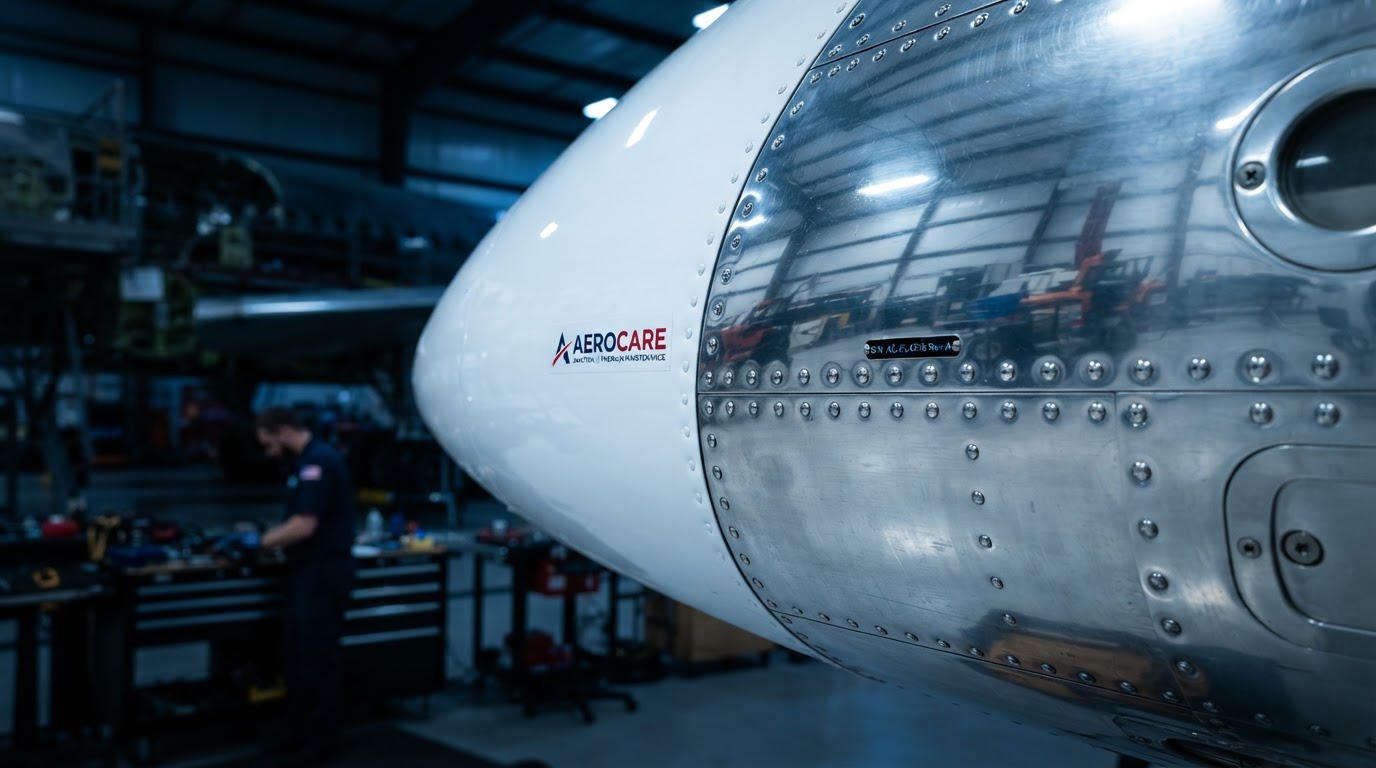
For aviation coatings, we coordinate with your hangar schedule and weather. Coatings need a dry, dust-controlled environment to flash and cure properly, so we'll plan around ramp conditions and your flight schedule. We never apply product near static ports, pitot-static systems, or flight control surfaces.
→ Read: Aviation detailing across the Southeast← Back to the Blue Horizon Detail homepage